


The nature of luck in gambling
Luck is often viewed as a mysterious force that can influence events beyond our control, especially in the context of gambling. In casino games, where chance plays a significant role, the concept of luck becomes even more prominent. Players frequently attribute their wins or losses to luck, believing that it is a factor that can change the outcome of games like slots, roulette, or blackjack. Many players also enjoy exploring options such as online casino $10 neosurf to enhance their gaming experience. This notion can be both motivating and frustrating, as it adds an element of unpredictability that keeps players returning for more. The thrill of winning and the despair of losing are often magnified by the perception of luck’s whims.
The idea of luck in gambling leads to varied philosophies among players. Some individuals firmly believe in their ability to harness luck through rituals or superstitions, such as wearing lucky clothing or carrying charm objects. They may perform specific actions, like tapping the machine before playing or avoiding certain seats at a table, in hopes of attracting positive energy. Conversely, others adopt a more analytical mindset, relying solely on mathematics, probability, and strategy to maximize their chances. This divergence in belief can significantly affect a player’s approach, mindset, and ultimately the choices they make during gaming sessions.
However, assessing luck’s influence requires a deeper understanding of the randomness inherent in casino games. While luck can certainly impact immediate outcomes, casino games are designed with specific odds that govern their results. For example, in games of pure chance like slots, each spin is independent, meaning previous outcomes do not influence future results. Understanding these distinctions helps players navigate the unpredictable landscape of gambling more effectively, ensuring that their expectations align with the realities of chance and skill.
The role of probability and odds
Each casino game operates with a set of rules and odds that determine the likelihood of various outcomes. Understanding these probabilities is crucial for anyone looking to comprehend how much of their success or failure can be attributed to luck versus skill. For instance, games like slots are primarily based on chance, as the random number generator ensures that each spin is independent of the last. In such games, luck plays a significant role, as no amount of strategy can influence the outcome. Players who engage in these games often do so with the understanding that their fate is largely at the mercy of chance.
In contrast, table games such as poker or blackjack combine both skill and luck in their dynamics. While luck can certainly affect the cards dealt or the outcome of a hand, strategic decisions, knowledge of the game, and psychological tactics can greatly enhance a player’s chances. Statistically, skilled players who understand the ins and outs of these games often fare better over time than novices relying on luck alone. This dual nature highlights the complexity of casino games, where luck and skill coexist but may be weighted differently depending on the specific game being played.
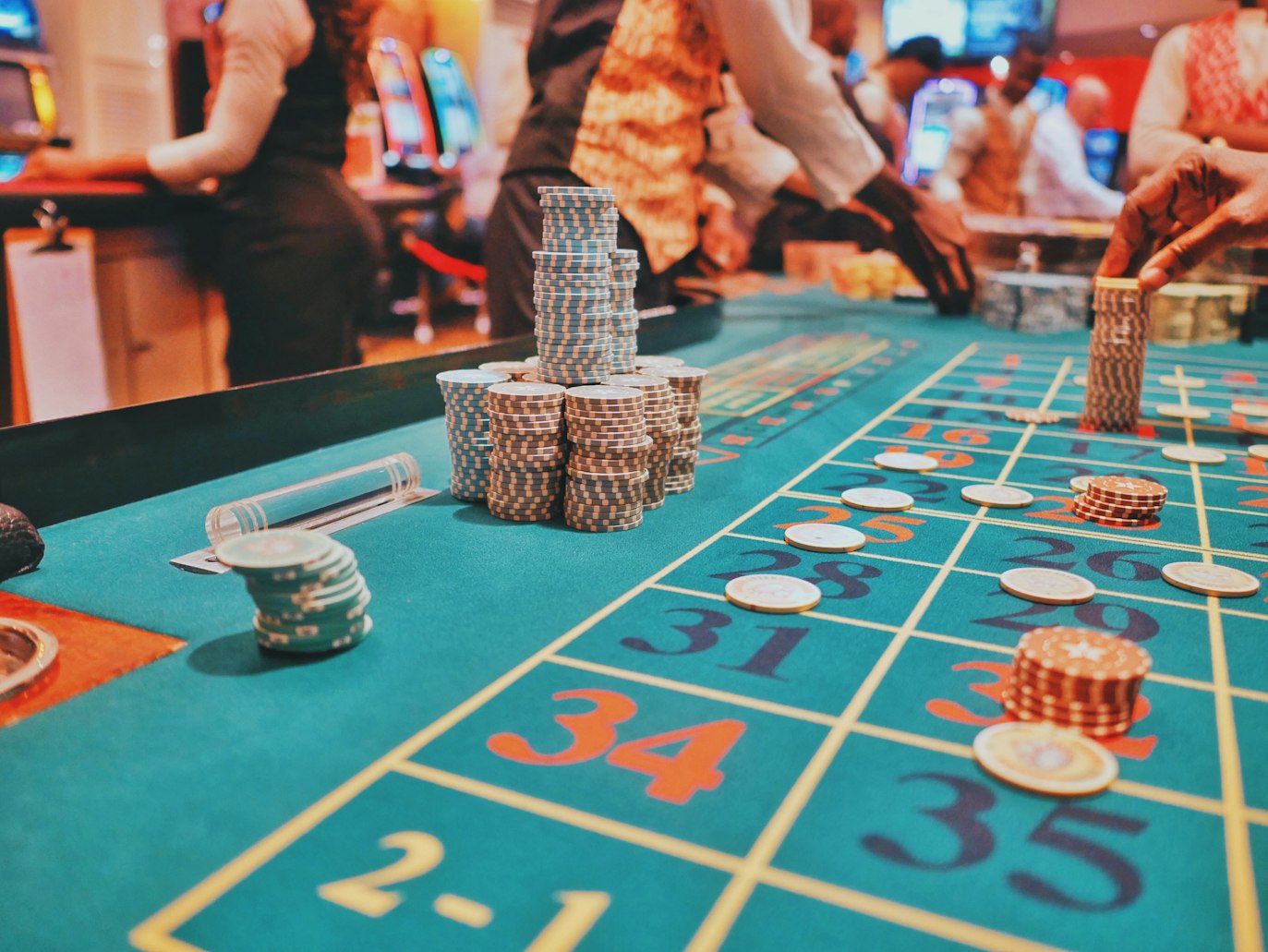
Moreover, casinos design their games to ensure a house edge, which means that in the long run, luck alone is unlikely to lead to consistent wins. This awareness encourages players to adopt a balanced approach that factors both luck and skill into their gambling strategies. By doing so, players can create a more sustainable gambling experience, allowing them to enjoy the thrill of luck while also making informed decisions based on the game’s inherent probabilities. Understanding the role of odds not only enhances enjoyment but also empowers players to make smarter choices as they navigate the gaming landscape.
The psychology of luck in gambling
Understanding the psychology behind luck is vital for players engaging in casino games. The belief in luck can profoundly affect a person’s emotional state, influencing their decision-making and overall enjoyment of the game. Many players feel euphoric when they win, attributing their success to good fortune, while losses may lead to frustration and a belief that their luck has run out. This psychological rollercoaster can encourage players to chase losses, hoping for a lucky break, which is often detrimental to their financial wellbeing. The emotional highs and lows associated with luck can create a turbulent gambling experience.
This psychological relationship with luck can also create a false sense of control. Players may believe they can predict or influence luck through their actions or choices, leading to irrational behaviors. For instance, players might continue wagering large sums after a win, convinced their luck will continue, or they may change their betting strategies based on recent outcomes. Such behaviors are usually driven by cognitive biases that highlight the human tendency to seek patterns, even in unrelated events. This often leads to misguided beliefs about luck, which can significantly impact their gambling experience.
Additionally, the environment of a casino itself is designed to enhance the sensation of luck. The sights and sounds of slot machines, the vibrant lights, and the celebratory announcements of wins create a thrilling atmosphere that can amplify feelings of luck. This ambiance can encourage players to feel that they are “on a roll,” even when their statistical probabilities suggest otherwise. By understanding these psychological elements, players can make more rational choices during their gambling experiences, ideally leading to a healthier relationship with the concept of luck and a more enjoyable overall experience.
The impact of luck on gambling strategies
In the context of developing effective gambling strategies, the perception of luck can significantly influence how players approach their game choices. Many novices might gravitate towards games that they perceive as more dependent on luck, such as slot machines, whereas seasoned gamblers may prefer games that allow for more strategic thinking, like poker. The understanding that some games are more conducive to skill over luck allows players to choose their battles wisely, potentially improving their overall outcomes and enhancing their gaming experience.

However, integrating luck into a strategy is a complex task. Seasoned players often recognize that while strategies can help mitigate losses and enhance wins, luck is an uncontrollable variable that can swing the results unexpectedly. This is why, in practice, successful players may develop a hybrid approach that embraces both skill and luck. For instance, in poker, a skilled player might rely on their understanding of probabilities and human behavior but must also accept that luck still plays a vital role in the hands they are dealt. Recognizing this interplay allows players to remain adaptable in their strategies.
Ultimately, recognizing the impact of luck on gambling strategies can lead to a more profound understanding of how to navigate the casino landscape. Instead of relying solely on luck or skill, players can develop a flexible approach that allows them to adapt their gameplay based on the unique characteristics of each game. This blend can lead to a more enjoyable and potentially profitable gambling experience, underscoring the delicate balance between chance and strategy that defines the world of casino gaming.
Discovering more about luck and casino games
For those who are eager to explore the intricate relationship between luck and casino games further, a wealth of resources is available online. Understanding the nuances of luck, skill, and strategy can significantly enrich the gambling experience for both beginners and seasoned players. Engaging with various articles, forums, and guides can provide insights into how luck manifests in different games, helping players make more informed decisions that can enhance their enjoyment and potential success. Knowledge is a powerful tool when navigating the unpredictable nature of gambling.
Additionally, numerous platforms offer simulations and practice versions of popular games, allowing players to experience the effects of luck and strategy without the financial risk. These tools can be invaluable for mastering the concepts of probability and decision-making under uncertainty. By utilizing these resources, players can deepen their understanding of the games they enjoy, ultimately leading to a more rewarding and enjoyable gambling experience. Practicing in a risk-free environment enables players to develop their skills and strategies effectively.
In conclusion, while luck undeniably plays a role in casino games, it is essential to approach gambling with a balanced mindset that incorporates both the unpredictable nature of luck and the strategic elements of skill. By fostering this awareness, players can enhance their enjoyment and engagement with games, transforming their perspective on luck from a mere chance factor to a component within a broader strategic framework of gaming. Each visit to the casino becomes not just a game of chance but an opportunity for growth and understanding in the world of gambling.
